
How to Start a Pooper Scooper Business in 2026 (Complete No-BS Guide)
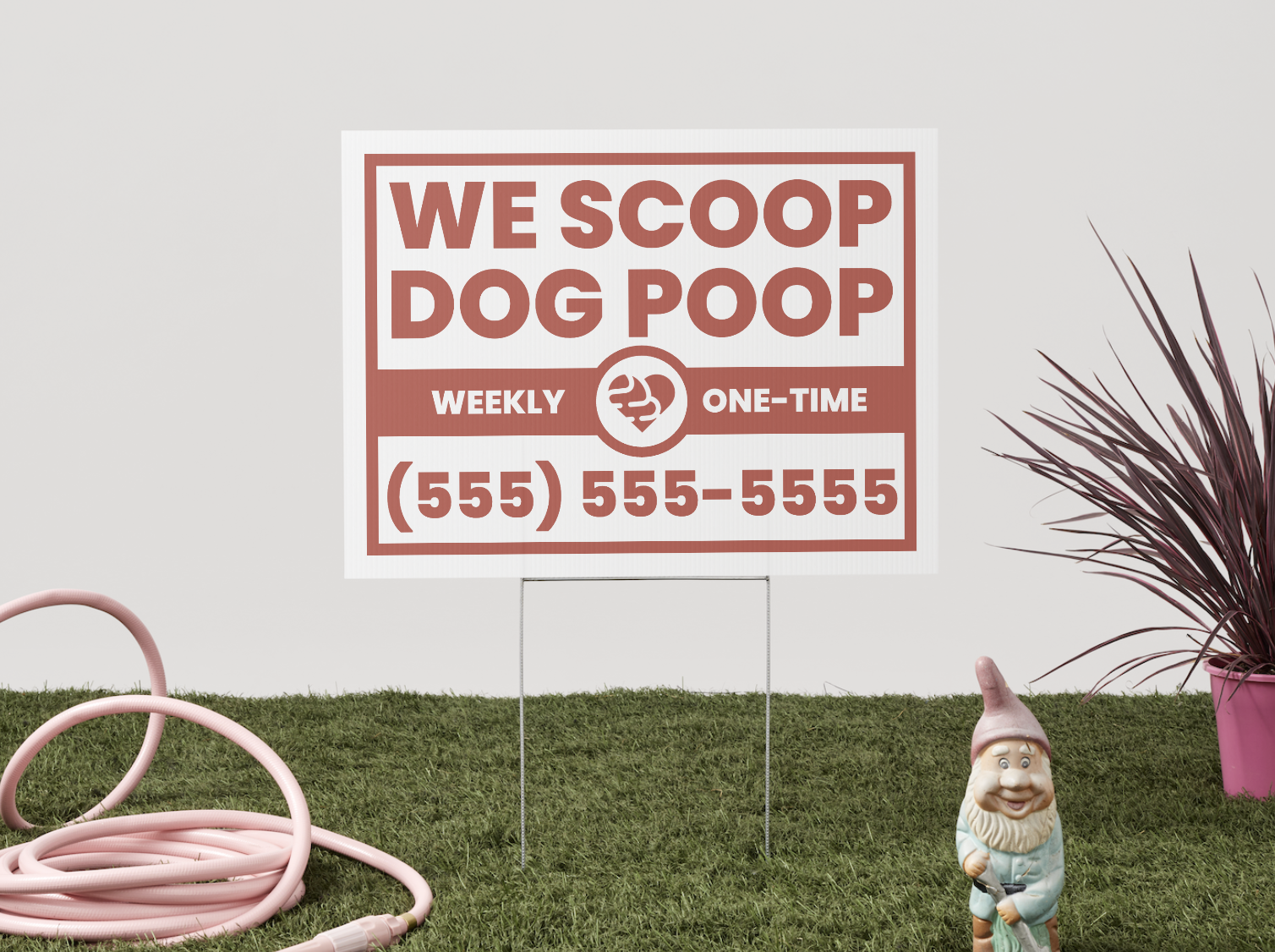
If you are thinking about starting a pooper scooper business, you are not crazy. You are early.
Most people hear "dog poop business" and laugh. Then they see what recurring weekly routes can produce in monthly revenue and suddenly it sounds very real.
This guide combines the practical field advice, startup roadmap, pricing strategy, legal setup, and growth systems you need to launch and scale.
You will learn:
- How to validate your local market fast
- What to charge (without underpricing yourself into burnout)
- What tools to buy first and what can wait
- How to get your first 10 customers
- How to keep customers, get reviews, and grow with referrals
Quick Start Snapshot (If You Want the TL;DR)
- Research your local competitors for 2-3 hours
- Set up your LLC, EIN, and business bank account
- Buy basic gear and define 2-3 clear service packages
- Launch Google Business Profile and simple website
- Run door hangers + Facebook + Nextdoor + local partnerships
- Onboard customers with a repeatable process
- Use routing, recurring billing, and review automation to scale
Why This Business Actually Makes Sense
Before the how, here is the why.
Recurring Revenue Is Built In
Dogs do not stop pooping. Yards do not clean themselves.
A weekly client is predictable revenue every month, which is exactly what you want in a stable service business.
Startup Costs Are Low
You do not need a storefront. You do not need expensive machinery. You do not need a huge team.
You can start lean with a few hundred dollars, basic tools, and a reliable car.
The Math Is Simple
A simple example:
- Weekly service at $20/visit
- 1 customer = about $80/month
- 50 customers = about $4,000/month
- 100 customers = about $8,000/month
That is before one-time cleanups, add-ons, and per-dog service.
Dogs Are Not Going Anywhere
Dog ownership keeps growing, and most dog owners do not want to spend their Saturday cleaning yards.
That pain is emotional, recurring, and urgent. That is exactly what creates demand.
Want a Solid Way to Start?
If you are serious about building recurring revenue (not just random one-off jobs), sign up for Scoopify so your scheduling, customer management, and billing are dialed in from day one.
Step 1: Research Your Competition (Do This First)
Skipping this step is how people launch blind and waste time.
Search terms to use:
- pooper scooper service near me
- dog poop removal [your city]
- pet waste removal [your city]
Study every competitor listing and website.
What to Look For
- What are they charging?
- Is pricing per dog, per visit, or monthly?
- Do they offer weekly, bi-weekly, and one-time cleanups?
- Are they active on social?
- What are reviews praising or complaining about?
- What neighborhoods are they not serving?
- Are they weak on communication or reliability?
Build a Simple Competitor Sheet
Track this in Google Sheets:
- Business name
- Price model
- Weekly price range
- One-time cleanup policy
- Review count and rating
- Common complaints
- Service area gaps
- Notes and opportunities
After reviewing 5-10 competitors, your positioning becomes obvious.
Step 2: Build a Brand That Feels Professional

In this business, trust is everything.
People are giving you access to their property. Your branding should make the decision feel safe and easy.
Pick a Business Name That Works
Your name should be:
- Easy to say
- Easy to spell
- Easy to remember
- Clearly connected to pet waste cleanup or pet yard service
Before finalizing, check domain, trademark database, and social handle availability.
Choose a Clean Visual Identity
Keep this simple:
- 2-3 brand colors
- 1 readable logo
- 1-2 clean fonts
- Consistent look across web, socials, uniforms, and print materials
Tools you can use:
- Canva
- Looka
- Adobe Express
Positioning (Pick One Lane)
You do not need to be everything to everyone.
Choose your edge:
- Most reliable
- Most premium
- Most detail-oriented
- Best communication
- Most beginner-friendly service plans
Be Professional From Day One
Your brand promise is only as good as your operations. Sign up for Scoopify to back your brand with real systems: reminders, route tracking, customer records, and clean invoicing.
Step 3: Define Your Offer Clearly
"I scoop poop" is not an offer.
A clear offer has deliverables, frequency, and pricing people can say yes to in 30 seconds.
Core Services
- Weekly yard cleanup
- Bi-weekly yard cleanup
- One-time rescue cleanup
- Commercial cleanup (HOAs, dog runs, multi-family)
Add-On Services (Easy Upsells)
- Yard deodorizing
- Pet-safe sanitizing treatment
- Waste bin deodorizing
- Photo confirmation after each visit
Package Naming Example
- Weekly Scoop (1 dog)
- Double-Dog Weekly (2 dogs)
- Rescue Cleanup (one-time heavy cleanup)
Simple names make conversion easier.
Step 4: Set Pricing for Profit (Not Panic)
Most beginners underprice and burn out.
Your price must cover labor, drive time, supplies, admin, insurance, and profit.
Typical Pricing Structures
- Per visit flat fee
- Base dog fee + additional dog fee
- Monthly recurring billing
- One-time cleanup fee based on condition/time
General Market Ranges (Adjust by Location)
- Weekly single-dog service often lands around $15-$30 per visit equivalent
- Bi-weekly usually needs a 30-50 percent premium
- One-time cleanups commonly start near $99 and can exceed $249+
Recommended Framework
- Weekly recurring as the core offer
- Clear additional dog pricing
- Initial cleanup policy for heavy first visits
- Optional first-bag-included model, then additional bag fee
Do Not Race to the Bottom
Cheap clients often create the most support load and churn fastest.
Compete on reliability, professionalism, and communication, not lowest price.
Pricing Produces Profit
Pricing only works if collection is consistent. Use Scoopify to set recurring billing and automate payment flow so your cash flow stays predictable.
Step 5: Legal Setup, Banking, Payments, and Taxes
Handle your legal and money systems early. Future-you will be grateful.
Form Your Business Properly
At minimum, review and set up:
- LLC (recommended for liability separation)
- EIN from IRS
- Business bank account
- Local business license/DBA if required
- General liability insurance
Why LLC + EIN Matter
- LLC helps separate personal and business risk
- EIN is needed for business banking, payroll readiness, and clean tax reporting
Payment Processors to Consider
- Scoopify (Stripe integrated)
- Stripe (strong recurring billing)
- Square (easy setup and hardware)
- Integrated payments in your field software
Use autopay by default for monthly clients.
Tax Basics
Set aside roughly 25-30 percent of profit for taxes.
Track everything:
- Mileage
- Supplies and equipment
- Insurance
- Software
- Marketing
- Phone and admin tools
Payments Are Built In
Operations break down when payment and schedule are disconnected. Sign up for Scoopify to connect service completion, invoicing, and customer history in one place.
Step 6: Tools and Vehicle Setup
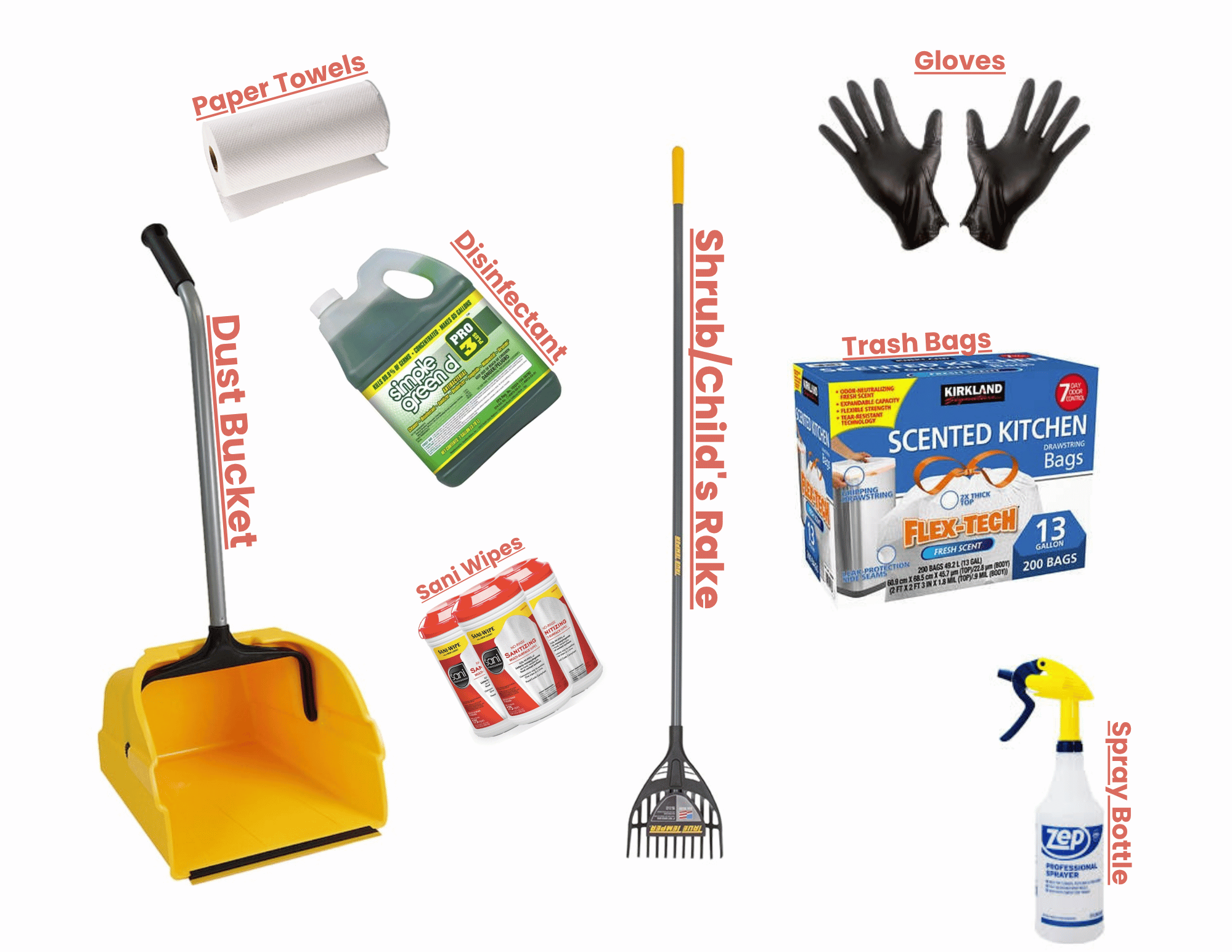
You do not need fancy gear. You need durable gear and a repeatable setup.
Must-Have Equipment
- Commercial-grade scooper/rake-pan set
- Backup scooper
- Small hand tool for tight spaces
- Heavy-duty waste bags
- Gloves in bulk
- Sanitizer and wipes
- Dedicated work shoes
Nice-to-Have Equipment
- Yard deodorizer
- Branded shirt or polo
- Door hangers and business cards
Vehicle Reality
A truck is optional.
A clean reliable sedan or SUV works if it has:
- Cargo space for your kit
- Protective liner in trunk/cargo area
- Enough reliability for daily route mileage
Manual Routing Will Take A Lot of Time
Once you are in the field, route efficiency becomes everything. Use Scoopify to reduce drive-time waste and keep daily routes tight with built in route optimization.
Step 7: Get Online So Customers Can Find You

No visibility means no leads.
Google Business Profile (Top Priority)
Set this up immediately and complete every field:
- Services
- Service area
- Hours
- Contact info
- Photos
- Description
Then request reviews consistently (Scoopify can do this for you).
Website Essentials
Your site should include:
- Clear service explanation
- Service area
- Packages and pricing
- Before/after proof
- Testimonials
- Contact or booking flow
Social Channels That Actually Matter
- Nextdoor
Post 2-3 times weekly:
- Before/after photos
- Route day snapshots
- FAQ answers
- Local neighborhood updates
Automate Lost Lead Follow-Up
As leads increase, manual follow-up becomes chaos fast. Sign up for Scoopify so inquiries, customer records, and service communication stay organized (and even automated).
Step 8: Get Your First 10 Customers

Your first 10 feel hardest. After that, referrals start compounding.
Channels That Work Fast
- Personal network (tell everyone)
- Local Facebook groups
- Nextdoor recommendations
- Door hanger drops in dog-heavy neighborhoods
- Partnerships with groomers, walkers, vets, and pet stores
Door Hanger Targeting Tips
Look for:
- Fenced yards
- Dog signage
- Walkable dog-owner neighborhoods
- Mid-to-upper income service zones
Intro Offers That Convert
- First cleanup discount
- One-time cleanup credit with recurring sign-up
- Referral reward for current clients
Where to Put All Those Leads..
As soon as leads turn into recurring customers, move them into Scoopify so onboarding, reminders, and recurring charges happen without manual follow-up every week.
Step 9: Onboard Clients the Right Way
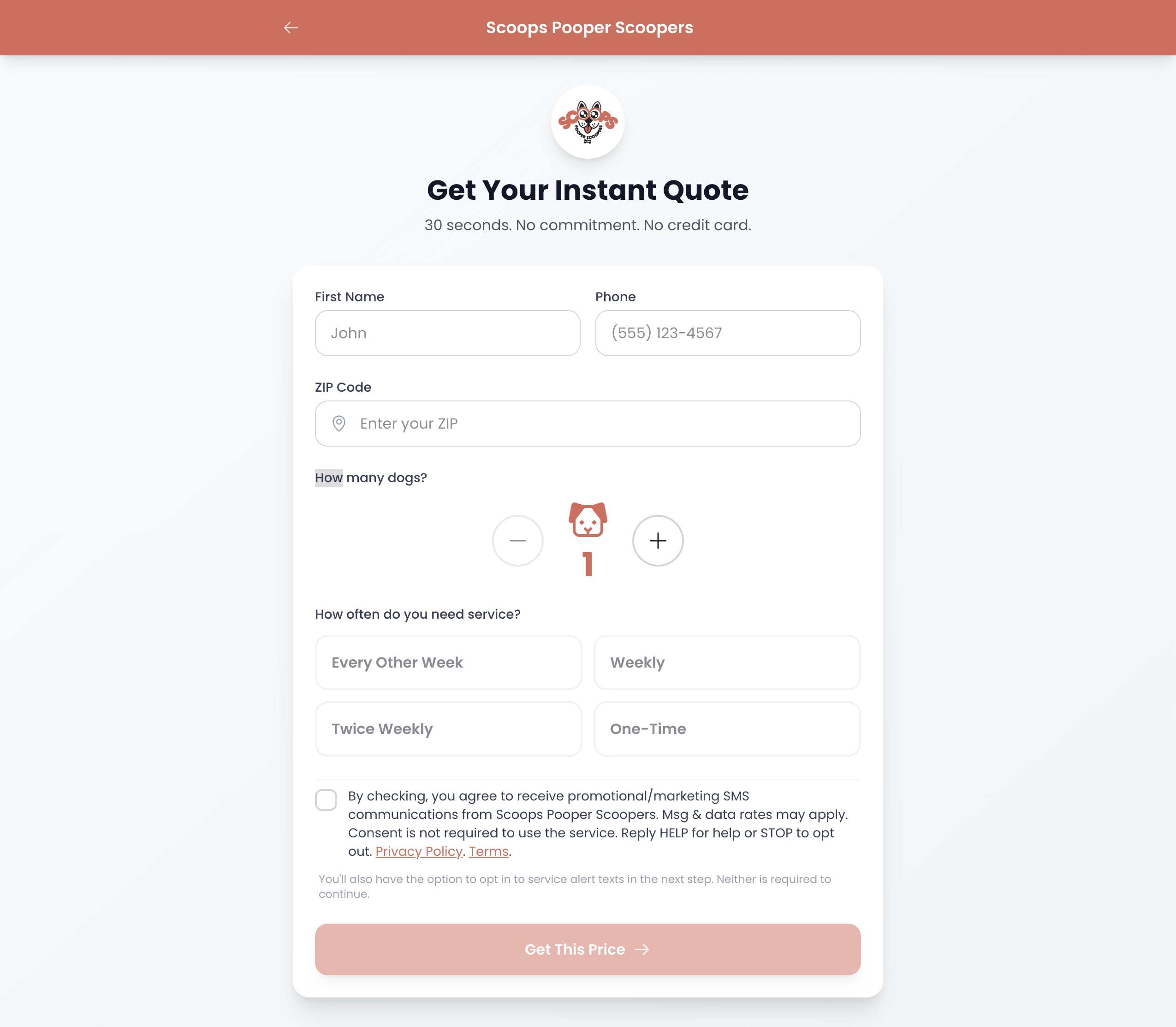
How you onboard determines retention.
Minimum Onboarding Workflow
- Welcome text/email
- Confirm service day and service window
- Collect intake details:
- Gate code/access instructions
- Dog count and notes
- Hazard notes
- Billing details
- Send first-service reminder
- Send completion message after service
Intermediate Workflow (When You Hit 10-15 Clients)
Use software like Scoopify to handle:
- Calendar and route views
- Automated reminders
- Invoicing and autopay
- Service notes/history
Customer Journey You Should Map
- Discovery
- Inquiry
- Response
- Booking
- Welcome
- First service
- Follow-up
- Review request
- Referral prompt
- Long-term retention
Impressing Customers Made Easy
If you want customers to stick, your service experience must feel smooth. Sign up for Scoopify to make your entire customer experience feel branded and personalized.
Step 10: Run Great Routes, Then Grow with Reviews and Referrals
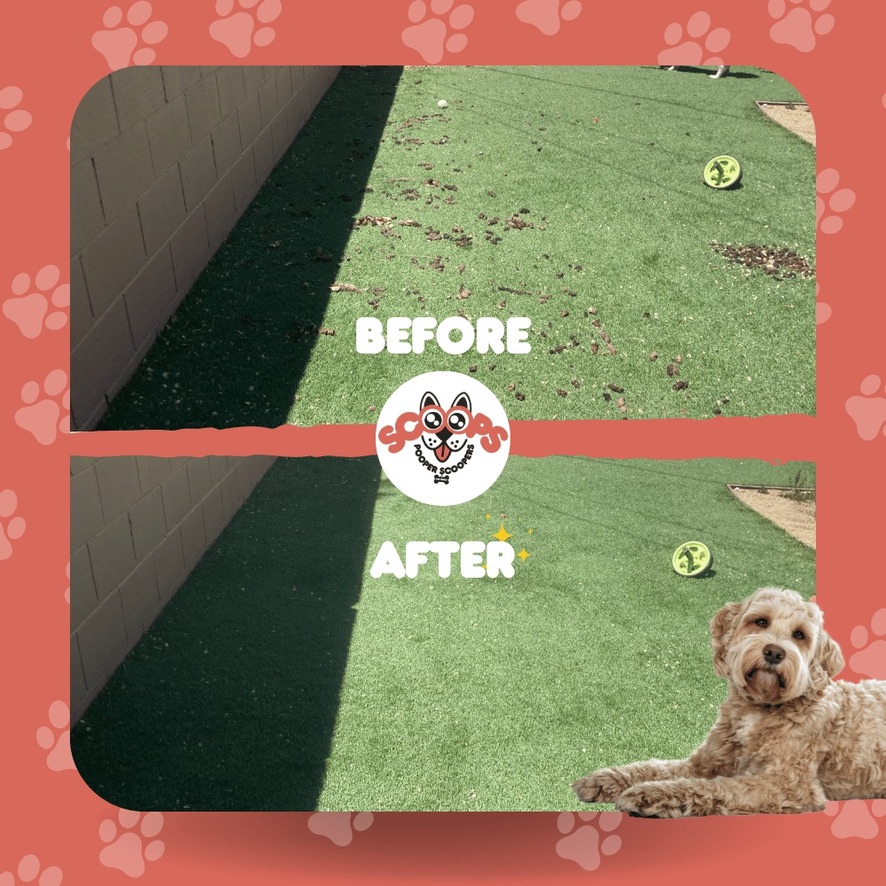
At this stage, consistency is your marketing.
Field Execution Standards
- Show up on time
- Walk the yard before starting
- Work a repeatable pattern
- Double-check before leaving
- Secure gates every time
- Send completion notification
Reviews: Your Highest-ROI Growth Lever
Ask right after positive service outcomes.
Simple review request:
Hey [Name], glad the yard looks great. If you have 30 seconds, could you leave a quick Google review? It helps more than you know. Here is the link: [review link]
Follow up once after 48 hours if needed.
Referral Program
Keep it simple:
- Refer a friend and get one free service credit
Mention it in welcome flow and periodic customer messages.
Asking is the Hardest Part
Referrals and reviews are strongest when service reliability is high. Use Scoopify to get reviews on autopilot.
Common Mistakes to Avoid
1) Underpricing
You get busy, not profitable.
2) No service agreement
Expect avoidable disputes.
3) No real scheduling system
Missed visits and trust damage happen fast.
4) No insurance
One incident can become expensive quickly.
5) Stopping marketing when busy
Pipeline dries up and churn catches you later.
6) Mixing personal and business money
Tax season becomes a nightmare.
Scaling Paths: Stay Solo or Build a Team
Both are valid.
Solo Path
Cap route size at a healthy workload and keep strong margins with low complexity.
Growth Path
Typical sequence:
- Part-time helper
- Additional route tech
- You shift into scheduling/sales/quality control
- Add systems, training, and SOPs
At scale, systems beat hustle.
Dealing With Employees Can Suck
As soon as you add help, operational complexity jumps. Sign up for Scoopify so scheduling, accountability, payroll tracking, and billing remain clean while you scale.
FAQ
How much does it cost to start a pooper scooper business?
Most operators can launch with a few hundred dollars and expand gear as revenue grows.
Do I need a license to start?
It depends on local/state rules. Check business licensing, DBA requirements, and disposal regulations in your city/county.
Is this business profitable?
Yes, when pricing, routing, and recurring billing are set up properly.
How do I find customers quickly?
Google Business Profile, Facebook/Nextdoor, targeted door hanger drops, and local partner referrals work best early.
Weekly or bi-weekly service?
Weekly is usually strongest for predictable recurring revenue and better yard conditions.
Final Word
This business is not glamorous, but it is one of the most practical paths to business ownership with low startup risk and strong recurring revenue potential.
If you are ready, do this today:
- Analyze 5 local competitors
- Set up your Google Business Profile
- Define your starter packages and pricing
- Contact your first 20 potential customer connections
Momentum beats perfection.
Ready to jump in?
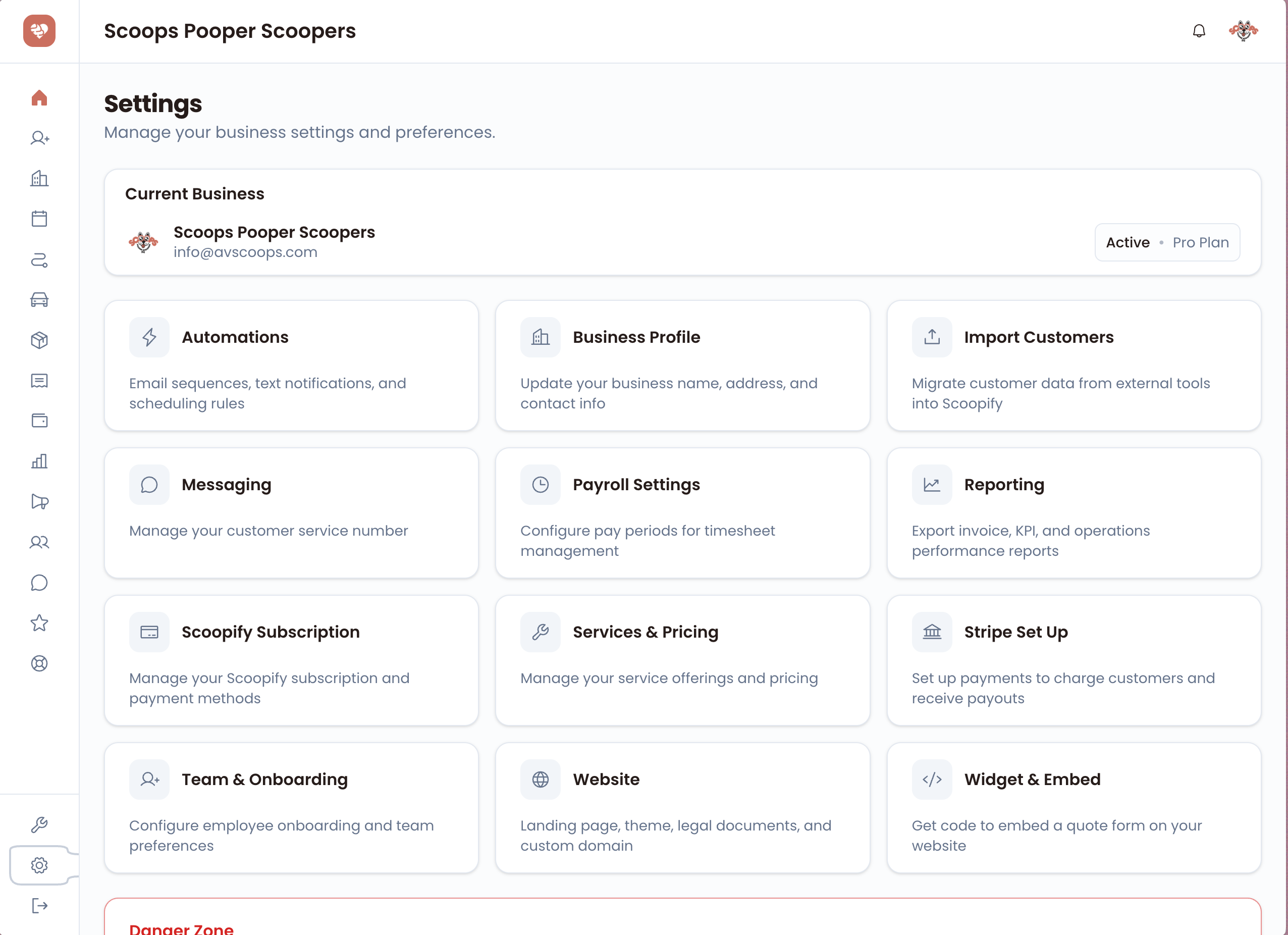
If you are serious about launching or scaling a pooper scooper business, do not build this on random texts, spreadsheets, and memory.
Sign up for Scoopify and run your business on purpose-built systems for pet waste operators:
- Route optimization
- Customer management
- Automated billing
- Field-ready workflows
- Cleaner operations as you scale
Build the business once. Run it right from the start.